
Pace
Work moves quickly now.
Often faster than reflection. Faster than integration. Faster than meaning can catch up.
Decisions are made, messages are sent, projects are closed — and we move on. Not because we’re careless, but because momentum has become the atmosphere we work inside.
Over time, that speed starts to feel normal.
Invisible, even — until something in us begins to lag behind, asking quietly for space we rarely notice we’ve lost.
This isn’t an argument for slowing down.
It’s an invitation to notice the pace you’re living within — and what it feels like to move through your days at that rhythm.
There’s nothing to finish here.
Nothing to fix.
Only a place to pause long enough for something to register — before the next thing arrives.
We didn’t choose this pace on our own.

1
Work learned to move faster long before our inner lives did.
Cycles shortened. Timelines collapsed. Decisions that once unfolded over weeks now arrive in hours, sometimes minutes. We adapted, as people do — learning how to keep up, how to stay visible, how to remain relevant inside the rhythm we were given.
So we learned to move forward without it.
It was shaped over time — by systems that reward responsiveness, by technologies that compress distance and expectation, by cultures that equate movement with value. Somewhere along the way, speed became a signal of competence. Momentum became a form of reassurance.
And in many ways, it worked.
But pace, when inherited rather than chosen, has a way of carrying assumptions with it. About what matters. About what deserves time. About what can be skipped without consequence.
What rarely made the transition was space — the kind required to absorb, to integrate, to let meaning settle before moving on. Not because it wasn’t valuable, but because it didn’t register as urgent.
What Gets Lost at Speed.
3
Endings pass without being registered.
Achievements are noted, then quickly replaced. Lessons are learned just enough to move forward, but not enough to integrate.
Over time, work continues — while you thin.
This isn’t because people don’t care.
It’s because pace has taught us what not to linger with.
They adapt instead — learning how to move faster, respond quicker, recover less. They normalize the absence of space and learn to call it resilience. They continue to perform, even as parts of themselves quietly fall out of sync with the rhythm they’re sustaining.
And still, the outcomes come.
Which is what makes this question harder — and more important — than it first appears:
What is being traded, quietly and consistently, for the pace we’re maintaining?
When pace accelerates, outcomes often follow.
Projects ship faster. Decisions compound. Visibility increases. From the outside, momentum looks like progress — and in many environments, it is rewarded as such.
But speed has a quiet trade-off.
When work moves faster than reflection, certain things stop keeping up. Not all at once. Not dramatically. They fade in small, almost imperceptible ways — until their absence becomes the background of our days.
2
In modern work, there are few incentives to slow long enough for something to settle. Space doesn’t show up on performance reviews. Integration isn’t easily measured. The cost of skipping over it rarely appears immediately — so it’s often mistaken for efficiency.
For many high performers, this trade-off remains invisible until the body or the mind interrupts the rhythm.
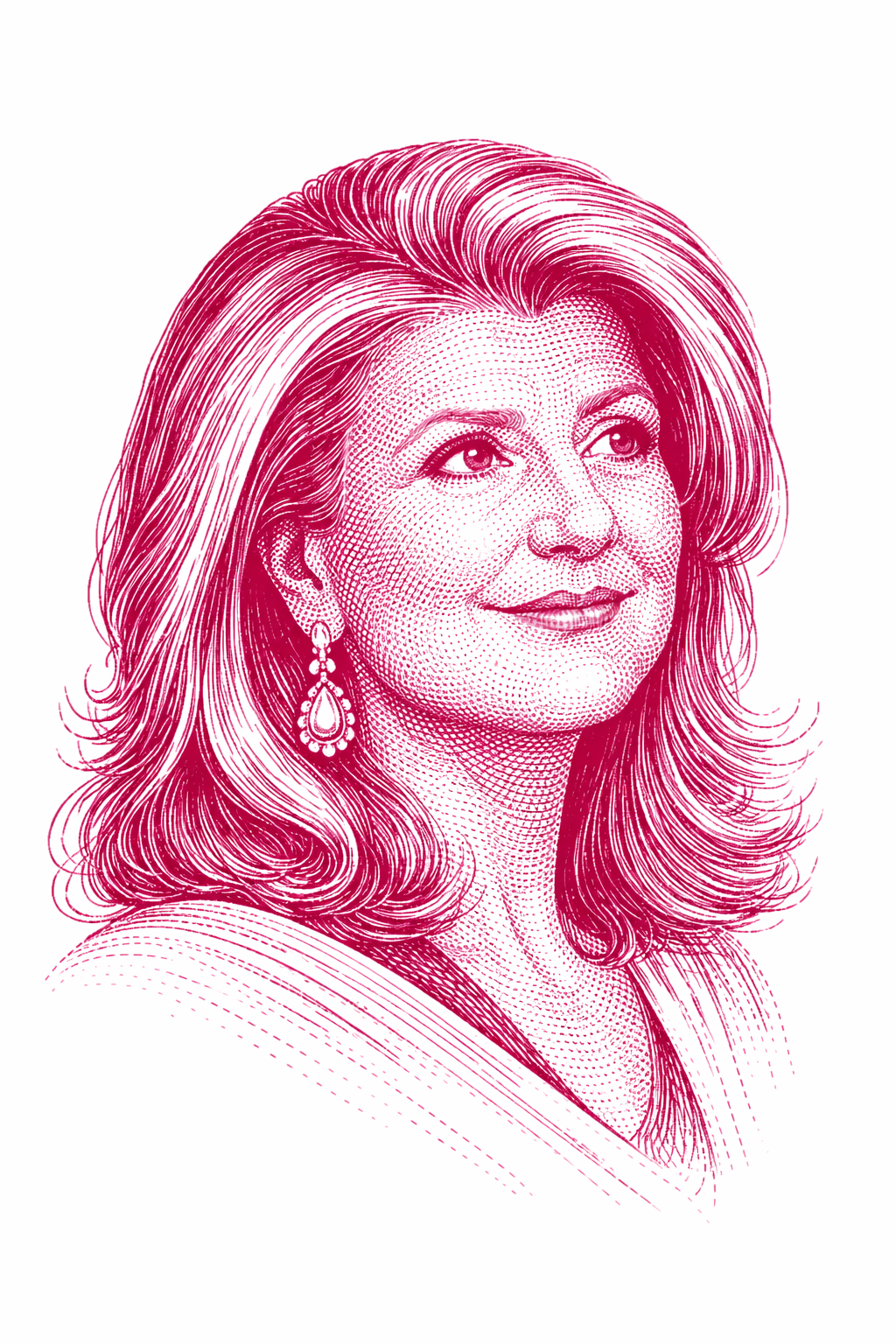
Arianna Huffington has spoken openly about building a global media company inside a culture of relentless pace — and the outcomes were undeniable. Scale, influence, reach. What ultimately forced a reckoning wasn’t failure, but collapse. The moment her body intervened where reflection had not.
Her story isn’t exceptional because of the success that preceded it.
It’s familiar because of what it revealed: pace can deliver results long before it reveals what it costs.
Most people don’t wait for a rupture.
Pace Is a Relationship.
We often talk about pace as if it were a speed — something to increase, manage, or survive.
But pace is not a number.
It’s a relationship.
A relationship between curiosity and completion.
Between movement and meaning.
Between what we’re asked to deliver — and what the work itself requires.
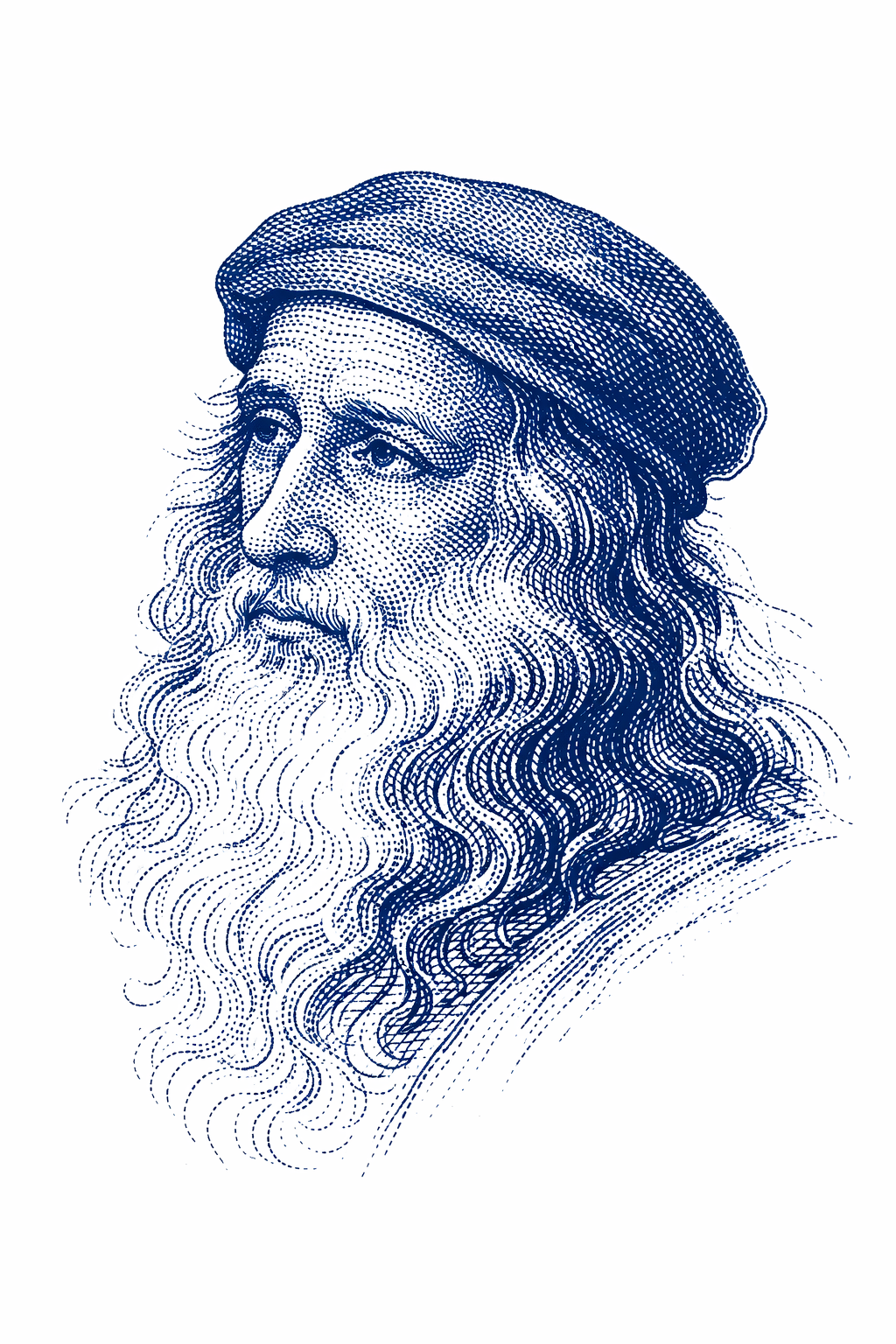
Leonardo da Vinci is remembered for shaping culture across disciplines: art, science, engineering, anatomy, architecture. His influence didn’t move in a straight line, and neither did his work. He followed questions wherever they led, often holding multiple lines of inquiry at once.
What’s less often acknowledged is how intentionally he worked with pace.
Leonardo was known for delaying commissions, missing deadlines, and resisting pressure from patrons who wanted faster completion. Not because he lacked discipline — but because he refused to finalize work before understanding had fully formed. He moved quickly through ideas, slowly through execution, and deliberately between domains.
His pace wasn’t fixed.
It was responsive.
At times, others tried to impose urgency upon him.
He chose discernment instead.
The outcomes mattered.
But so did coherence, integration, and depth.
In modern work, this kind of agency over pace feels rare. Responsiveness is rewarded. Delivery is tracked. Momentum signals competence. Few environments make room for pacing that adapts to the nature of the work itself.
Leonardo’s story isn’t an argument for slowness — or for resisting responsibility. It’s a reminder that pace is not meant to be uniform. Different kinds of work ask for different rhythms. When those rhythms are ignored, something fractures — not always immediately, but eventually.
Pace, when treated as a relationship, becomes something we can notice — even within constraint. Something we can occasionally negotiate. Something we can choose in moments that matter.
Pace isn’t just timeless — it’s universal, evolving, and deeply human.
4
The question isn’t whether pace affects outcomes.
It’s whether we’re in relationship with our pace — or enduring one we never had space to question.
5